

Picking the best commercial refrigerator for a Las Vegas business isn't just about finding something that keeps food cold. It's about finding a workhorse that can handle extreme heat and relentless, around-the-clock demand. The best units have heavy-duty compressors, top-tier insulation, and full NSF certification to guarantee food-safe temperatures, even when your kitchen feels like an oven. This isn't just another appliance purchase; it's a critical investment in your restaurant's reliability and reputation.
Your Kitchen’s Lifeline in the Las Vegas Heat
In the vibrant, 24/7 culinary world of Las Vegas, from high-end dining on the Strip to unique eateries in Henderson, your commercial refrigeration is the beating heart of your kitchen. The city’s diverse array of restaurants, catering to every palate, all face the same formidable opponent: the brutal desert heat. This puts an incredible strain on your essential restaurant equipment, especially your commercial refrigerators, commercial freezers, and ice machines.
Making the right choice affects everything from food safety and kitchen workflow to your monthly energy bills. A standard fridge that works just fine in a cooler city will buckle under the pressure of a Las Vegas summer, where kitchen temperatures can easily push past 100°F.
Why Standard Equipment Just Won’t Cut It
All that ambient heat means your refrigerator's compressor has to work constantly, without a break, just to keep things cool. This is exactly why high-performance, heavy-duty units are a non-negotiable part of setting up shop here.
Here’s what makes them different:
- Serious Cooling Power: They’re built with powerful compressors and oversized condenser coils specifically designed to handle high ambient temperatures without giving up.
- Better Insulation: These units use thicker, high-density insulation. This simple feature does the heavy lifting of keeping cold air locked in and hot air out, which takes a massive load off the cooling system and keeps your power bill in check.
- Fast Temperature Recovery: In a busy kitchen, the fridge door is always swinging open. A top-tier commercial unit can pull the temperature back down to a safe level in seconds, protecting your delicate ingredients from dangerous temperature fluctuations.
A commercial refrigerator in Las Vegas is like a goalie in a championship hockey game—it has to perform flawlessly under constant pressure. One mistake doesn't just lose the game; it can jeopardize inventory, customer health, and your reputation.
To truly succeed in the Vegas food scene, you need a complete cooling strategy. That means thinking beyond just one refrigerator. You'll need dedicated commercial freezers for bulk storage and high-capacity ice machines that can keep up when the demand for cold drinks never stops. It's also worth looking into how specialized climate-controlled storage solutions can protect your most sensitive and valuable inventory.
This guide is designed to walk you through everything you need to know to choose the right cooling equipment that won’t let you down.
Key Refrigerator Features for Las Vegas Kitchens
When you're comparing models, it's easy to get lost in the specs. This table breaks down the most important features you should be looking for to ensure your refrigerator can handle the unique challenges of a Las Vegas hospitality environment.
| Feature | Why It Matters in Las Vegas | Recommended For |
|---|---|---|
| High-Performance Compressor | Works harder without overheating in high ambient kitchen temperatures, ensuring consistent and safe cooling. | All Las Vegas restaurants, bars, and high-volume commercial kitchens. |
| Superior Insulation | Reduces energy consumption by keeping cold air in and hot air out, lowering electricity bills in the desert heat. | Any business looking to manage operational costs and improve efficiency. |
| NSF & ETL Certification | Guarantees the unit meets strict public health standards for food safety, which is crucial for health inspections. | All food service establishments, including food trucks, hotels, and cafes. |
| Rapid Temp Recovery | Quickly brings temperatures back to safe levels after the door is opened, protecting food quality during busy shifts. | High-traffic kitchens, bars, and any operation with frequent door openings. |
| Durable Construction | Stainless steel exteriors and interiors withstand the wear and tear of a fast-paced professional kitchen environment. | Every commercial kitchen, especially those with 24/7 operations. |
Ultimately, choosing a refrigerator with these features isn't just about meeting a basic need; it's a strategic decision to protect your inventory, pass health inspections with flying colors, and ensure your kitchen runs smoothly, no matter how hot it gets outside.
Matching Refrigerator Type to Your Kitchen's Needs
Choosing the best commercial refrigerator in a city like Las Vegas isn't a one-size-fits-all game. The vibrant city is home to a diverse array of restaurants, and a high-volume buffet on the Strip has completely different needs than a craft cocktail bar on Fremont Street. The first, most critical step is matching the equipment to how your kitchen actually works. Get this right, and you're on the path to an efficient, safe, and profitable operation.
Think of your refrigeration as a specialized crew. You wouldn’t ask a sprinter to run a marathon, and you shouldn't expect a small undercounter unit to handle the bulk storage for a packed steakhouse. Every piece of essential restaurant equipment, from commercial refrigerators and commercial freezers to ice machines, is built for a specific job, and understanding their roles is key to success.
The infographic below really hits on the three core challenges every Las Vegas kitchen faces, which should directly guide the type of refrigeration you buy.
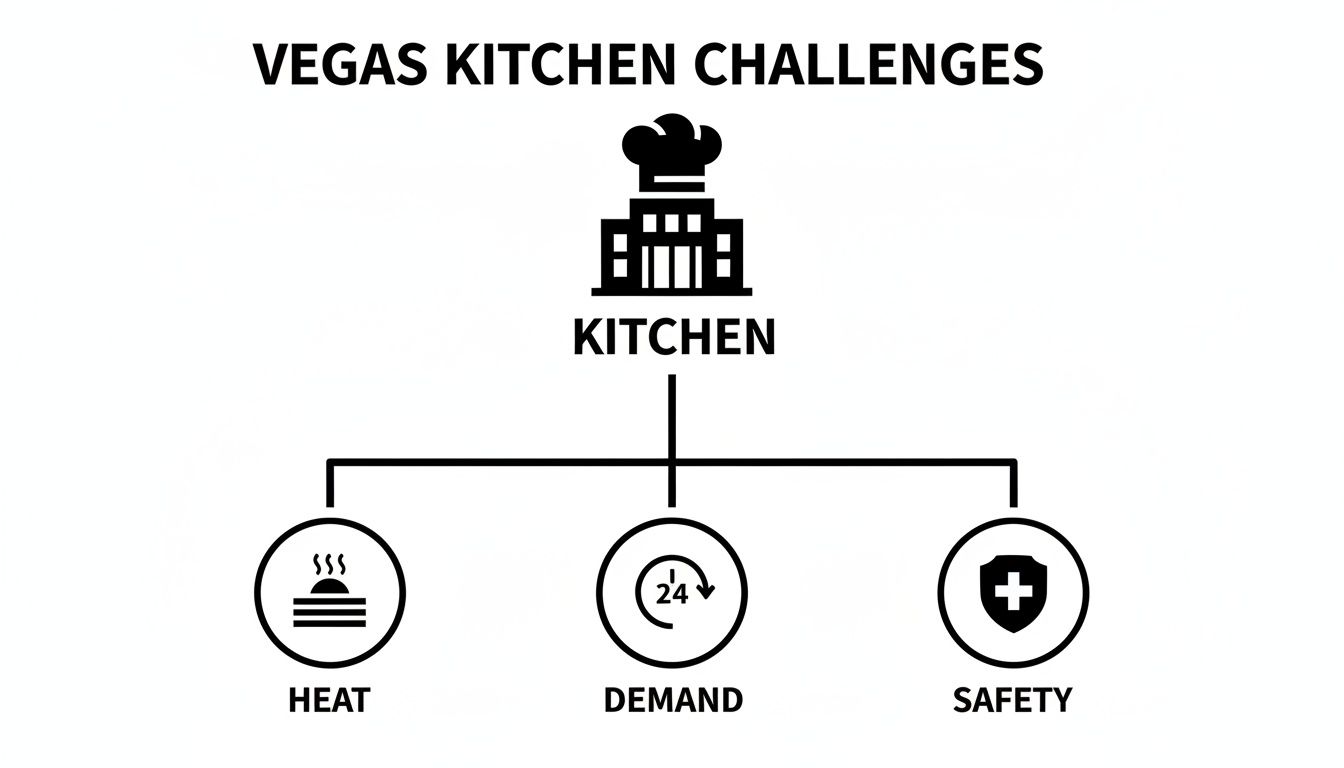
It all boils down to this: your equipment has to withstand intense ambient heat, relentless customer demand, and strict food safety standards. That makes your choice of refrigerator a major strategic decision.
The Workhorses: Reach-In Refrigerators and Freezers
For almost every restaurant in Las Vegas, from a quiet Summerlin café to a bustling downtown diner, the reach-in refrigerator or freezer is the undisputed MVP. These are the versatile, everyday workhorses of the kitchen. Their upright design gives your line cooks quick access to ingredients during a chaotic service, keeping everything organized and right where they need it.
A durable, stainless steel two-door reach-in freezer is perfect for holding boxes of steaks, poultry, and seafood—it's the backbone of your inventory. Its counterpart, the reach-in refrigerator, keeps produce, dairy, and house-made sauces at perfectly chilled, food-safe temperatures. They’re absolutely essential for any kitchen that preps fresh ingredients daily.
The Command Center: Refrigerated Prep Tables
Can you imagine the chaos of assembling salads, sandwiches, or pizzas without having all your chilled ingredients right at your fingertips? Refrigerated prep tables, whether they’re sandwich/salad units or pizza prep tables, are the solution. They combine a refrigerated base for storage with a cooled top section fitted with food pans.
This setup creates an efficient workstation—a "command center"—where chefs can build dishes fast without running back and forth to a walk-in. This isn’t just about convenience; it’s a food safety must-have. By keeping perishable toppings like meats, cheeses, and cut veggies consistently chilled during prep, these tables are vital for passing health inspections and serving quality food.
The Front-of-House Stars: Merchandisers and Bar Coolers
While some refrigerators are designed to work behind the scenes, others are built for the spotlight. Glass-door merchandisers and back-bar coolers are made to show off your products and drive sales. A brightly lit merchandiser in a Henderson convenience store is a magnet for impulse buys of cold drinks and grab-and-go snacks.
Likewise, a sleek back-bar cooler in a trendy Arts District bar does more than just chill beer and wine. It displays the selection attractively, becoming part of the bar's vibe and a key sales tool. These units are designed with looks in mind, featuring great lighting and finishes that fit right in with your front-of-house decor.
Choosing the right commercial refrigerator is like casting the right actor for a role. Each unit has a specific part to play in the grand production of your restaurant. When every piece of equipment performs its job perfectly, the entire kitchen runs like a well-oiled machine.
And finally, no Las Vegas spot can survive the heat without a reliable ice machine. From cooling cocktails on the casino floor to filling soda fountains in a fast-casual joint, the demand for ice is non-stop. A high-capacity commercial ice machine is non-negotiable, ensuring you never run out during a dinner rush or a packed weekend night. When you pick the right types of refrigerators, freezers, and ice makers, you're giving your kitchen the specialized tools it needs to win.
Sizing Your Refrigerator for Peak Demand
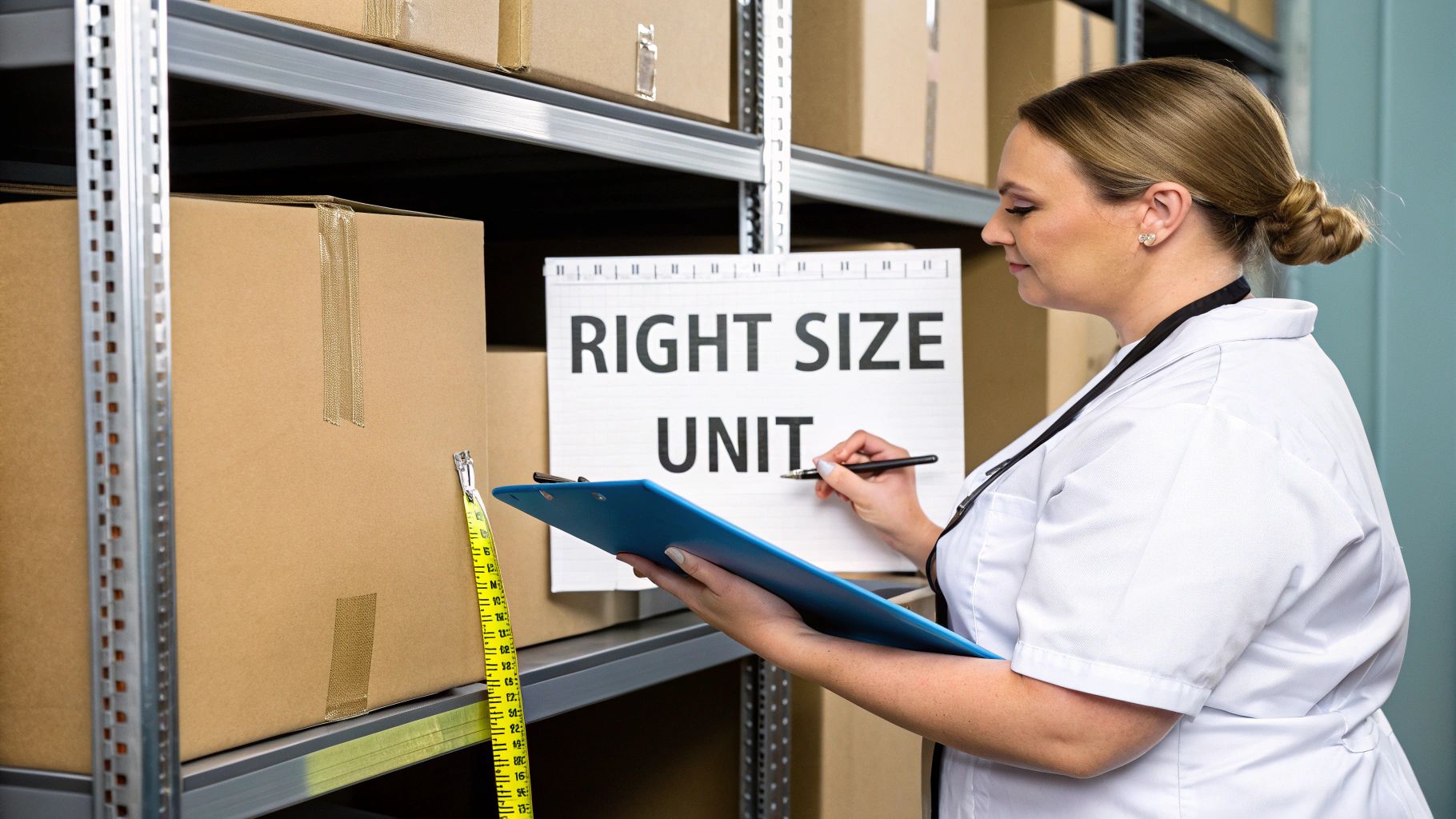
Figuring out the right size for your commercial refrigerator is about so much more than just measuring an empty spot on your kitchen floor. It’s a make-or-break decision that hits your bottom line, especially in a city of extremes like Las Vegas. Go too small, and you're dealing with cramped inventory, food spoilage, and missing out on bulk-buy savings. Go too big, and you're just paying to cool empty air, watching your NV Energy bill climb for no good reason.
The real trick is to size your unit for your absolute craziest moments. Think about that sold-out convention weekend or New Year's Eve on the Strip. Your refrigerator has to be ready to handle the inventory for those peak rushes without ever compromising food safety. It needs to be the reliable workhorse in the corner when the pressure is on, not the bottleneck that sends your kitchen into chaos.
Nailing this down is only getting more important. The global commercial refrigeration market was a massive $29.6 billion in 2023 and is on track to nearly double, hitting an estimated $56.2 billion by 2035. That boom is driven by customers wanting more fresh and frozen options, a trend we see every day here in Vegas. For local bars and hotels fighting the Nevada heat, chest-style freezers have become essential, holding their temperatures steady when the sun is relentless.
Calculating Your True Capacity Needs
To get an accurate picture of what you need, you have to look at how your business actually operates. There's no magic formula; it’s a realistic assessment of your day-to-day grind. A downtown restaurant with a huge, complex menu is going to need a lot more refrigerated space than a food truck with a tight, focused selection.
Start by asking yourself these questions:
- Menu Complexity: How many different fresh ingredients are you juggling? A steakhouse needs serious space for aging prime cuts, while a farm-to-table spot needs room for crates of produce. The more varied the menu, the more space you need.
- Delivery Schedule: If you’re getting daily produce drops, you might get by with a smaller unit. But if suppliers only come twice a week, you’ll need enough capacity to hold a few days' worth of inventory without playing Tetris.
- Seating Capacity and Turnover: Do the math on your maximum output. A 150-seat restaurant that turns tables three times a night is moving a staggering amount of product, and all of it has to be stored properly first.
- Peak Business Periods: You have to plan for the madness. This is Vegas. Whether it’s a major fight night, a sold-out concert series, or a holiday weekend, your refrigeration has to be ready for the surge.
Why the Desert Demands More
The scorching Las Vegas climate throws another wrench in the works. When your kitchen heats up, your refrigerator's compressor and cooling system are forced to work overtime just to keep up. A unit that works perfectly fine in a milder city might buckle under the constant strain here.
In the Las Vegas heat, a commercial refrigerator’s insulation and compressor are its first and last lines of defense. Weakness in either component leads to inconsistent temperatures, spoiled food, and ultimately, a failed health inspection.
This means you can't compromise on units with superior, high-density insulation and powerful, oversized compressors. In the desert, these aren't just nice features; they're non-negotiable. They're what guarantees your equipment can hold food-safe temperatures (below 40°F) even when your kitchen feels like an oven. Spending a bit more on a robust unit isn't just about getting more space—it's about buying reliability for when it matters most.
And for kitchens with truly massive storage needs, it’s often worth looking into the benefits of commercial walk-in refrigerators to handle all your bulk inventory in one place.
Understanding Energy Efficiency and Health Codes
Let's be real—choosing a commercial refrigerator in Las Vegas isn't just about what fits in your kitchen. It's a strategic business decision that directly impacts your bottom line and your ability to pass a health inspection. With summer temps always knocking on the door, an inefficient unit will absolutely punish your power bill.
At the same time, the Clark County Health District doesn't mess around. Your equipment is the frontline defense for food safety, protecting both your customers and your hard-earned reputation. This is where a couple of key certifications become non-negotiable. Think of them as your proof that a unit is built to perform safely and reliably in the demanding Las Vegas hospitality world.
Decoding Energy Star and Its Impact on Your Wallet
When you spot that little blue ENERGY STAR logo, see it for what it is: a money-saving guarantee. These units are specifically engineered to do the exact same cooling job but with way less electricity. On average, you're looking at a 20% more energy-efficient machine compared to a standard model.
How do they pull this off? It comes down to smarter tech:
- High-efficiency compressors that don't have to work as hard or as often, which also means they generate less ambient heat.
- Electronically commutated motors running the fans, which can cut the energy use for those parts by a whopping 70%.
- Better insulation and tighter door seals to keep the cold air where it belongs—inside. This drastically reduces how often the cooling system needs to kick on.
In the middle of a Las Vegas summer, an energy-efficient refrigerator isn’t a luxury, it’s a survival tactic. Every dollar you don't hand over to the power company is a dollar you can put back into your menu, your staff, or your marketing. It's a real, tangible competitive edge.
The Non-Negotiable Badges of Safety: NSF and ETL
While saving cash is great, food safety is everything. That’s where NSF (National Sanitation Foundation) and ETL (Intertek) certifications come into play. Seeing these logos on a refrigerator, freezer, or ice machine tells you it has been put through the wringer and passed strict public health and safety standards.
You simply won't pass a Clark County health inspection without them. An NSF-certified unit is built with food-safe materials, is designed for easy and thorough cleaning, and actively discourages bacterial growth. The ETL mark is your confirmation that all the electrical guts meet North American safety standards, protecting your crew and your building from fire hazards. These aren't optional—they're the price of entry for any professional kitchen.
You can dive deeper into how to choose the best energy-efficient commercial refrigeration for your specific operation in our detailed guide.
The industry is also getting smarter. We're seeing more IoT-connected systems that can slash energy use by up to 30%. That's a game-changer for a Henderson food truck or a Summerlin restaurant trying to keep utility costs from spiking. The whole North American market is exploding with this tech, projected to hit $22.12 billion by 2030. But having a local supplier who understands the grind of Las Vegas's high-volume nightlife is key to getting the right unit for the job.
Navigating Purchase Costs and Financing Options
When you're outfitting a Las Vegas kitchen, that initial price tag on a new refrigerator is just the tip of the iceberg. The real cost isn't what you pay upfront; it's what that unit costs you over its entire lifespan. We call this the Total Cost of Ownership (TCO), and it’s how smart operators make their buying decisions.
Think about it. A cheap, no-name fridge might look like a great deal today, but it can quickly turn into a money pit. These units are notorious for guzzling energy, needing constant repairs, and just not lasting. In a city like Vegas where the heat never quits and kitchens are always slammed, a breakdown isn't just an inconvenience. It’s spoiled product, upset customers, and a potential visit from the health inspector.
The Long-Term Value of Quality
This is exactly why investing in a solid, energy-efficient model from a trusted brand like Atosa almost always makes more financial sense. Sure, the initial check you write might be bigger, but the savings add up fast. These machines are built to take the punishment of a relentless Vegas kitchen, which means fewer emergency service calls and lower power bills every single month.
Choosing a high-quality commercial refrigerator is an investment in operational stability. The peace of mind that comes from knowing your equipment won't fail during a Saturday night rush is invaluable to your business's financial health.
This isn't just talk; the industry numbers back it up. The commercial refrigeration market in North America hit a staggering $16.89 billion in 2024 and is expected to grow to $22.12 billion by 2030. This boom is all about keeping up with growing cold chain demands and new energy rules. For anyone running a food and beverage spot in Vegas, that means you need equipment that can reliably protect everything from high-dollar buffet ingredients to top-shelf liquor.
Smart Financing for Smart Investments
Let's be real—managing cash flow is king, especially for new or expanding restaurants, bars, and hotels in Las Vegas. High-quality refrigerators, freezers, and ice machines are a major expense. The good news is, you don't have to drain your bank account to get the right gear.
Financing is a game-changer. It lets you break down that big purchase into predictable, manageable monthly payments. This keeps your cash free for the other things you need to run your business, like payroll, inventory, and marketing. It means you can afford the top-tier, reliable equipment you really need from day one, instead of settling for a cheaper unit that’s just going to cause you headaches down the road.
By working with a supplier who understands the balance between quality and cost, you can make a strategic investment that sets your business up for years of success. To see how it works, check out our guide on the benefits and process of restaurant equipment financing.
Essential Maintenance to Extend Your Refrigerator's Life
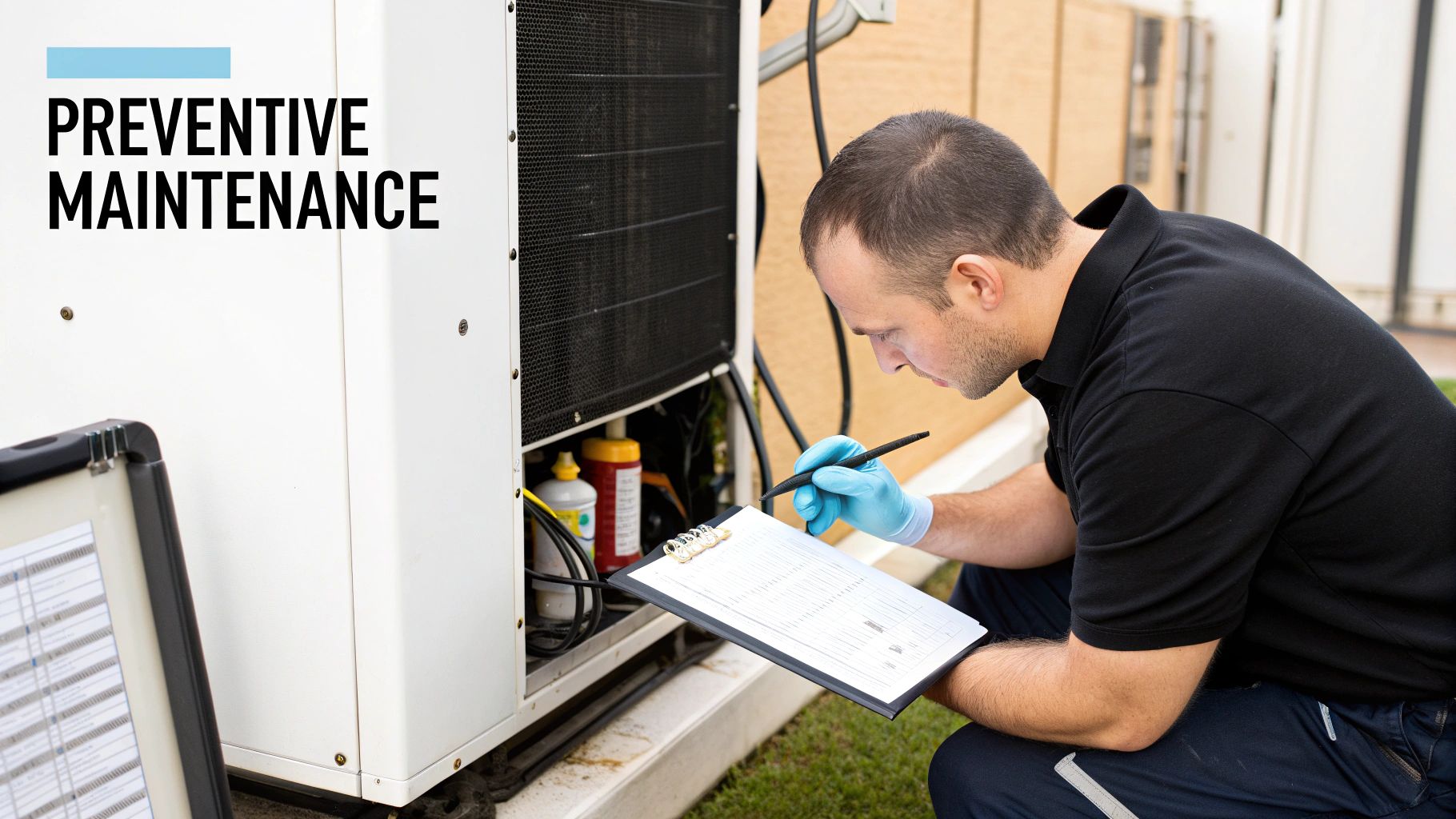
Your commercial refrigerator is one of the biggest investments you'll make for your Las Vegas restaurant, bar, or hotel. Protecting that investment isn’t a "set it and forget it" kind of deal. It demands a real maintenance plan to give your unit a long, productive life and save you from the absolute nightmare of a breakdown during a Saturday night dinner rush.
Think of it as preventative care that saves you thousands in emergency repair bills and spoiled inventory. This simple plan is all about keeping your refrigerator running strong, even when it's battling that brutal Nevada heat. For a deeper dive, it's worth understanding the financial difference when comparing Annual Maintenance Contracts to reactive maintenance for your whole operation.
Your Routine Maintenance Checklist
Simple tasks, done consistently, are the secret sauce here. Get your team on board with these jobs to keep your equipment in prime shape.
-
Clean Condenser Coils Monthly: The condenser coils are basically your refrigerator's lungs. In a kitchen environment, they get clogged with grease and dust fast, forcing the compressor to work way harder and burn more electricity. A quick brushing once a month keeps them clean and lets the unit breathe.
-
Inspect Door Gaskets Weekly: A worn-out or torn door gasket is a massive energy leak. Cold air escapes, warm air gets in, and your system runs nonstop trying to keep up. Check the gaskets for cracks and make sure you feel a solid seal when the door closes.
-
Ensure Proper Airflow Inside: Don't ever cram your refrigerator full. Good airflow is non-negotiable for even cooling. Leave a few inches of space between your product and the interior walls so that cold air can actually circulate.
Quick Troubleshooting for Common Issues
Even the best-built refrigerator can have an off day. If you can train your staff to spot the early warning signs, you can stop a small problem from turning into a full-blown disaster.
An ounce of prevention is worth a pound of cure, especially in a commercial kitchen. A five-minute daily check can save you from a five-thousand-dollar emergency repair bill and a night of lost revenue.
Here’s what to keep an eye out for:
- Weird Noises: A constant, loud humming or rattling isn't normal. It could be a sign of trouble with the compressor or condenser fan motor.
- Water Leaks: See puddles inside or outside the unit? It often points to a clogged drain line—usually a simple fix that prevents major water damage if you catch it early.
- Temperature Creeping Up: If you notice the internal temp is rising, check the coils and door seals first. Those are the most common culprits, and you might solve it before you even need to call for service.
By working these maintenance and troubleshooting steps into your daily and weekly routines, you turn your refrigeration units from a potential liability into the reliable workhorses they were meant to be. This proactive approach is what keeps your kitchen cool, compliant, and profitable.
Your Questions, Answered
Jumping into the world of commercial refrigeration can feel overwhelming, especially with the unique demands of the Las Vegas hospitality scene. I've been in this business a long time, and I've heard it all. Here are the answers to the questions that come up most often from local restaurant, bar, and hotel owners.
What’s the Single Most Important Feature for a Commercial Refrigerator in Las Vegas?
Forget all the bells and whistles for a second. If you run a food business in Las Vegas or Henderson, the one non-negotiable feature is a powerful refrigeration system built to handle high ambient temperatures. A standard unit will get absolutely cooked in a Nevada kitchen. It'll struggle, burn out, and lead to thousands of dollars in spoiled food before you know it.
You need to be looking for models with heavy-duty compressors, high-density insulation, and beefed-up forced-air circulation. These components are what allow a unit to snap back to the right temperature after the door has been opened a hundred times during a dinner rush. It’s the key to food safety and keeping your NV Energy bill from going through the roof in July.
How Often Should I Get My Commercial Refrigerator Professionally Serviced?
In this climate? Don't skip it. I tell every client to schedule professional preventative maintenance at least twice a year. The best rhythm is once in the spring before the summer heat hits, and then again in the fall as things start to cool down.
A good tech will do a deep clean on the coils, check all your refrigerant levels, test the electrical components, and make sure the thermostat is reading true. This proactive approach is the single best way to sidestep the vast majority of those expensive, middle-of-service emergency calls and squeeze every last bit of life out of your equipment.
Is Financing a Good Idea for Buying a New Refrigerator?
Absolutely. In fact, for most new or growing businesses, it's the smartest way to go. Financing allows you to get the top-tier, reliable equipment you actually need—like an NSF-certified walk-in or a high-volume ice machine—without having to gut your cash reserves.
By turning a huge capital expense into a predictable monthly payment, you keep your cash free for the things that keep you in business day-to-day, like payroll, inventory, and marketing. It's just a sound financial strategy that helps you build a stable foundation.
Think of it this way: financing the right equipment upfront saves you from the money pit of constantly repairing and replacing cheap, unreliable units. It puts your operation on a path for real, long-term success.
Why Do I Keep Hearing About NSF and ETL Certifications?
Because they're non-negotiable for any professional kitchen. An NSF (National Sanitation Foundation) mark is your guarantee that the refrigerator is built for food safety—it means it’s made from non-toxic materials, is designed to be easily cleaned, and won't be a breeding ground for bacteria.
The ETL mark confirms the unit meets North American electrical safety standards. You legally need both of these to pass a health inspection in Las Vegas and Clark County. But more than that, it's peace of mind. It tells you the equipment is safe for your food, your staff, and your business.
Ready to find the right cooling solution for your Las Vegas spot? The experts at Las Vegas Restaurant Equipment live and breathe this stuff. We're here to help you pick the perfect commercial refrigerator, freezer, or ice machine that fits your needs and your budget. Check out our full lineup of warranty-backed, NSF-certified equipment online.
Shop for the Best Commercial Refrigerator at Las Vegas Restaurant Equipment